
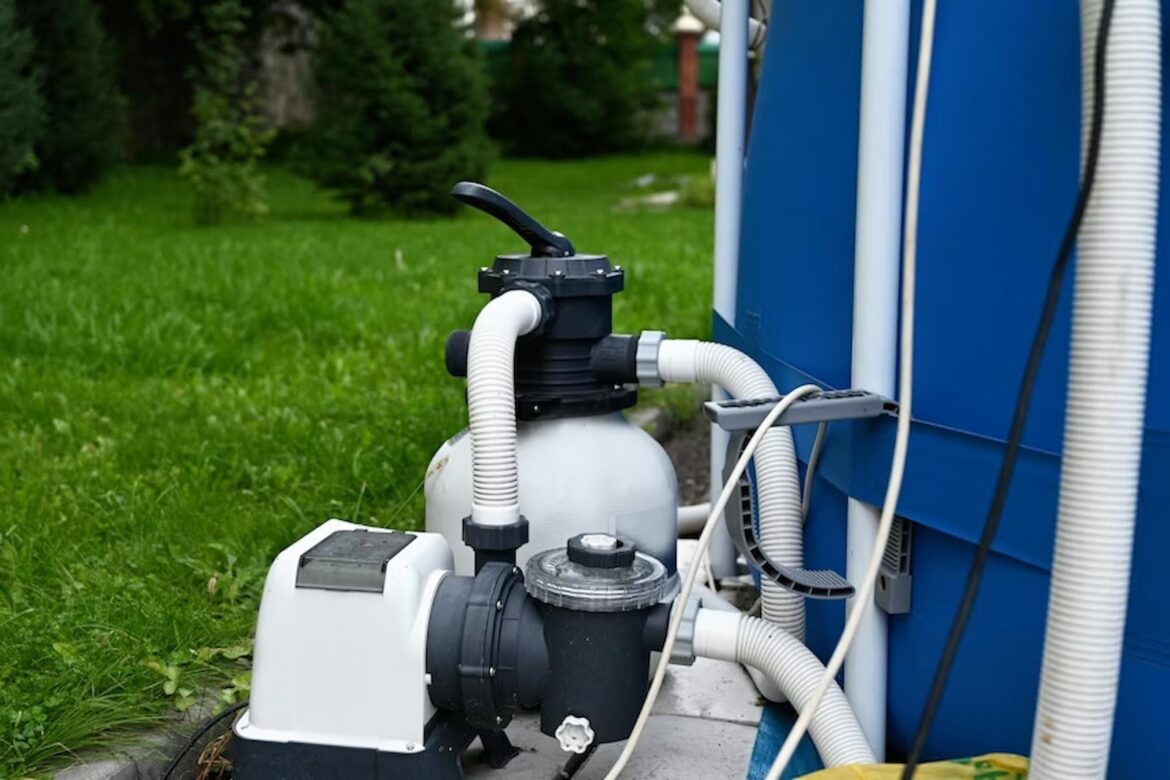
Clear, hygienic pool water depends on more than chemicals alone. Continuous circulation is essential to prevent stagnation and maintain balance. At the centre of this process is the pool pump, which drives filtration, supports sanitation, and keeps water moving evenly to protect overall pool health.
Introduction
Clean swimming pool water is the result of a carefully managed system rather than occasional cleaning. Central to this system is the swimming pool pump, which ensures water is constantly moving, filtered, and treated. Without effective circulation, debris settles, chemicals fail to distribute evenly, and water quality deteriorates quickly. Many common pool problems can be traced back to inadequate water movement rather than chemical imbalance alone. By understanding how a pump works and why circulation matters, pool owners can maintain clarity, hygiene, and efficiency throughout the swimming season. A well-functioning pump supports consistent water conditions while reducing long-term maintenance demands.
The Hidden Engine Behind Every Clean Swimming Pool
Why circulation is the foundation of water hygiene
Water that does not move becomes stagnant. Stagnation encourages algae growth, uneven chemical concentration, and the accumulation of debris. Circulation prevents these issues by ensuring all areas of the pool are treated equally.
When water flows continuously:
- Dirt and particles remain suspended for filtration
- Chemicals spread evenly across the pool
- Temperature and clarity remain consistent
Rather than reacting to visible problems, proper circulation prevents them from developing in the first place. This proactive approach is key to maintaining reliable water quality.
From Intake to Return: How Water Is Constantly Kept in Motion
Understanding the circulation cycle
A pool pump operates by pulling water from the pool and pushing it back after treatment. This continuous loop ensures that no section of the pool is left untreated for long periods.
The circulation process includes:
- Drawing water from surface skimmers and main drains
- Moving water through filtration equipment
- Returning clean water evenly into the pool
Each stage relies on stable flow and pressure. When the cycle runs correctly, water clarity improves, and contaminants are removed before they can settle or multiply.
Why Filtration Success Starts With the Right Water Flow
Supporting filters through controlled circulation
Filters are designed to trap fine particles, but their effectiveness depends entirely on consistent and controlled water movement from the pump. When the flow rate is incorrect, filtration performance declines and water quality suffers. Balanced circulation allows water to remain in contact with the filter media for the right amount of time, ensuring that fine debris is captured instead of passing through the system. It also helps filter components operate smoothly without unnecessary pressure or wear. When water flow is too low, dirt is not removed efficiently. When it is too high, filtration can become less effective. A pump that delivers steady, regulated circulation allows filters to perform exactly as they are designed to.
Circulation First, Chemicals Second: Getting Sanitisation Right
How water movement improves chemical efficiency
Pool chemicals cannot work effectively in still water. Circulation distributes sanitisers evenly, ensuring consistent protection throughout the pool.
Even water movement helps:
- Prevent untreated zones
- Maintain stable pH levels
- Reduce chemical overuse
By supporting even distribution, circulation minimises chemical waste and improves swimmer comfort. This balanced approach reduces the need for frequent corrective treatments.
Flow Rates, Pressure, and Performance: What Really Matters
5. Matching pump capacity to pool requirements
Pump performance is defined by how much water it moves and how efficiently it does so. Selecting the correct capacity is essential for reliable circulation.
Key considerations include:
- Total pool volume
- Plumbing layout and pipe length
- Filtration system compatibility
A pump that is too powerful can waste energy and stress equipment. One that is too weak may fail to circulate water effectively. Proper sizing ensures consistent performance without unnecessary wear.
Efficient Circulation Without Excess Energy Use
Balancing performance and running costs
Modern pump designs focus on efficiency as well as power. Adjustable operation allows circulation to be tailored to daily needs rather than running at maximum output continuously.
Lower flow rates are suitable for routine circulation, while higher rates support cleaning cycles. This flexibility reduces energy consumption, extends component lifespan, and supports sustainable pool operation without compromising water quality.
How Proper Water Movement Prevents Debris Build-Up
Guiding debris towards collection points
Circulation plays a vital role in managing debris. Surface movement directs leaves and oils toward skimmers, while deeper flow prevents particles from settling on the pool floor.
Effective circulation:
- Reduces manual cleaning
- Supports automated cleaning systems
- Maintains consistent clarity
When water movement is evenly distributed, debris is removed more efficiently, reducing long-term maintenance effort.
Warning Signs That Water Is No Longer Circulating Properly
Identifying circulation issues early
Poor circulation often reveals itself through gradual changes rather than sudden failure. When water movement slows or becomes uneven, the pool’s balance begins to shift, creating visible and chemical inconsistencies. One of the earliest indicators is uneven water clarity, where certain areas appear dull or cloudy while others remain clear. Debris may start to accumulate on the surface or pool floor instead of being drawn toward skimmers and drains. Chemical readings can also become inconsistent, showing fluctuations that are difficult to stabilise. These warning signs usually indicate restricted flow or insufficient pump operation. Addressing circulation issues promptly helps restore balance and prevents more serious water quality problems from developing.
Daily Pump Operation That Protects Water Quality
Establishing reliable operating routines
Consistent pump operation ensures the entire pool volume is circulated regularly. Daily run times should be sufficient to move all water through the system multiple times.
Good operational practices include:
- Adjusting run times based on season and usage
- Monitoring pressure levels
- Ensuring uninterrupted circulation during peak use
A disciplined approach supports stable water conditions while avoiding unnecessary energy use.
Why the Entire Pool System Depends on One Component
The pump as the system’s driving force
Every pool component relies on circulation to function effectively. Filtration, sanitation, and debris removal all depend on steady water movement provided by the swimming pool pump.
Routine inspection and awareness of performance changes help maintain reliability. When circulation is consistent, the entire system operates smoothly, reducing maintenance demands and extending equipment life.
Final Thoughts
Maintaining clean and healthy pool water begins with effective circulation. By continuously moving water through filtration and treatment stages, a pump prevents stagnation, distributes chemicals evenly, and supports long-term clarity. Many common pool problems are circulation-related rather than chemical in nature, making the pump a critical component of preventive maintenance. Understanding flow, pressure, and daily operation allows pool owners to manage water quality proactively instead of reacting to visible issues. With proper sizing, consistent use, and routine monitoring, a swimming pool pump provides reliable performance that supports every part of the pool system. Strong circulation not only improves hygiene and comfort but also protects connected equipment, ensuring efficient and dependable operation throughout the swimming season.