
Understanding the Hair Transplant Recovery Process
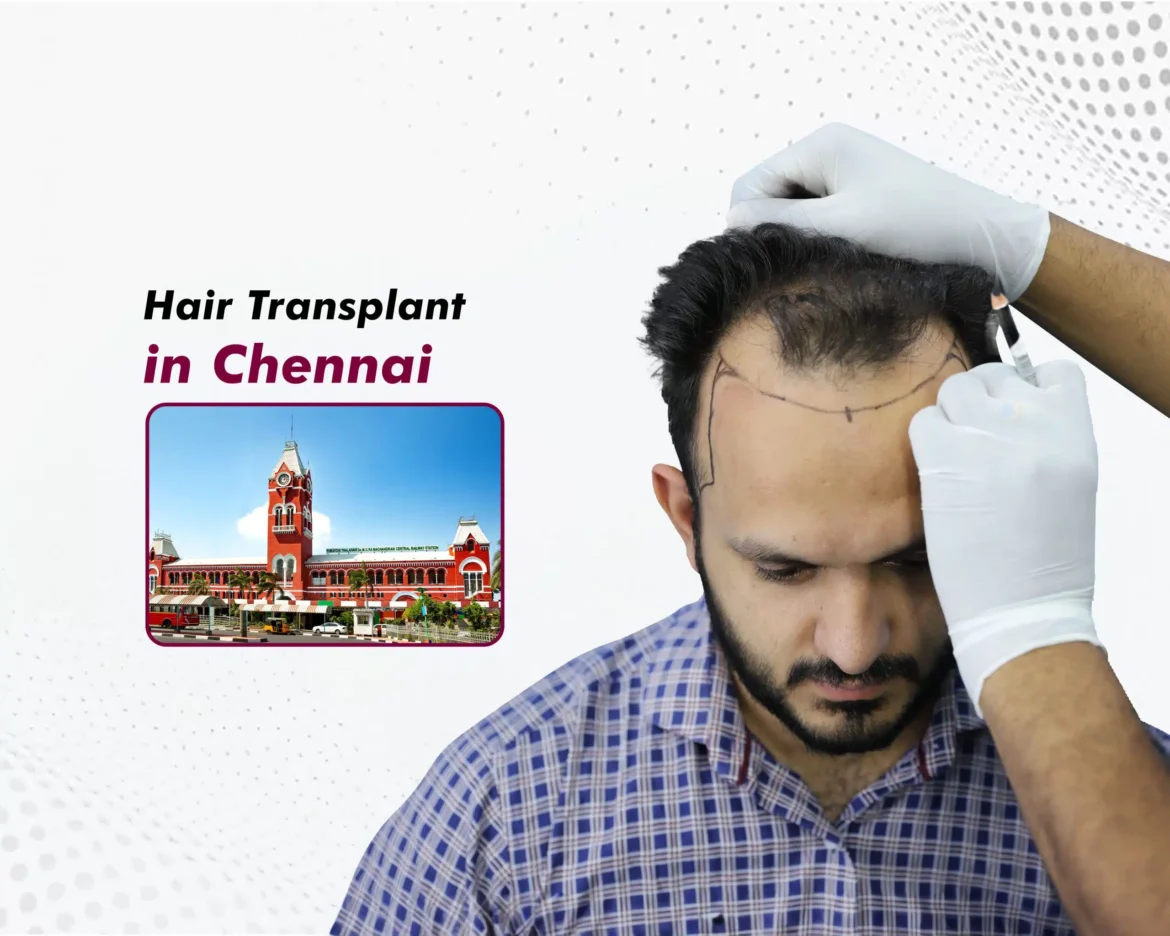
Hair transplant surgery is a procedure that requires patience, proper aftercare and time for natural hair growth. Although the surgical procedure may be completed within a day, the healing and growth process continues over several months. People researching a hair transplant in Chennai should understand that visible results do not appear immediately after surgery.
The recovery journey involves initial scalp healing, temporary shedding of transplanted hair, new follicle growth and gradual improvement in hair density. Understanding each stage helps patients recognise normal changes, follow medical instructions and maintain realistic expectations.
What Happens Immediately After Hair Transplant Surgery?
During the first few days, patients may experience mild redness, swelling, tenderness and small scabs around the transplanted and donor areas. These are common postoperative changes associated with scalp healing.
The transplanted grafts require protection during the early recovery period. Patients should avoid scratching, rubbing or applying unnecessary pressure to the recipient area. Sleeping with the head slightly elevated may help manage swelling when recommended by the surgeon.
Hair Transplant Recovery Timeline: Month-by-Month Progress
Day 1–3: Initial Healing and Graft Protection
The scalp may appear red, and small blood spots or scabs can develop around the grafts. Mild discomfort, swelling and tightness in the donor area may also occur.
Patients should follow the prescribed washing and medication instructions. Avoid touching the grafts unnecessarily, strenuous activities and direct pressure on the transplanted area.
Day 4–7: Scab Formation and Reduced Swelling
During this stage, swelling generally starts reducing, while small crusts become more noticeable around the transplanted follicles. Mild itching may develop as the scalp heals.
Gentle washing can be introduced according to the surgeon’s instructions. Patients should not pick or forcibly remove scabs because this may damage healing tissue.
Day 8–14: Scalp Healing and Scab Removal
Most patients notice significant improvement in redness, tenderness and scab formation during this period. The crusts gradually loosen and fall away with appropriate washing.
Patients undergoing FUT may require stitch removal, commonly around 10–14 days, depending on the closure method and surgeon’s instructions. The scalp may still appear slightly pink or sensitive.
Month 1–2: Temporary Hair Shedding Phase
One of the most noticeable stages is temporary shedding of transplanted hair, commonly called shock loss. The visible hair shafts may fall out while the transplanted follicles remain beneath the scalp.
This is generally an expected part of the hair growth cycle and does not automatically indicate graft failure. Some existing native hair may also temporarily shed. Patients should continue following their postoperative care plan.
Month 3–4: Early New Hair Growth
New hair growth may begin to appear around the third or fourth month. Initially, the emerging hairs may look fine, thin or unevenly distributed.
Not every follicle starts growing at the same time. Therefore, differences in growth across the transplanted area are common. Patients should avoid judging the final outcome at this stage.
Month 5–6: Visible Hair Growth and Improvement
During this period, more transplanted hairs may become visible, and early improvements in coverage can be noticed. Hair strands gradually develop thickness, although density may still be limited.
Regular follow-up appointments and progress photographs can help evaluate growth more accurately than daily visual comparisons.
Month 7–9: Increasing Hair Density
Hair growth generally becomes more noticeable, with improvements in thickness, coverage and overall appearance. The transplanted hair gradually blends with surrounding natural hair.
Individual growth rates vary depending on follicle characteristics, surgical factors and personal healing responses.
Month 10–12: Continued Maturation and Results
By the end of the first year, many patients have achieved substantial visible improvement. Hair texture, thickness and density continue to mature, although crown areas may develop more slowly.
Some patients may require additional time, particularly up to 18 months, to assess the full cosmetic outcome.
Essential Aftercare Tips for Better Recovery
Following postoperative instructions is important for protecting grafts and supporting normal healing.
- Maintain scalp hygiene: Wash the scalp gently using the method and products recommended by the surgeon.
- Avoid scratching: Do not pick scabs or rub the transplanted area during early healing.
- Protect from sunlight: Avoid prolonged direct sun exposure during the initial healing period.
- Manage physical activity: Avoid strenuous exercise until the surgeon confirms it is safe to resume.
- Follow medication instructions: Take prescribed medicines as directed and do not independently restart or discontinue existing medications.
- Attend follow-up appointments: Regular reviews help monitor healing and identify potential complications.
When Should You Contact Your Hair Transplant Surgeon?
Mild redness, itching, swelling and scabbing can occur during normal recovery. However, increasing pain, spreading redness, fever, pus, persistent bleeding or worsening swelling require prompt medical evaluation.
Patients should contact their treating clinic if they notice unusual symptoms or have concerns about graft healing. Early assessment can help identify complications and guide appropriate treatment.
How to Choose the Right Hair Transplant Clinic for Postoperative Care?
Successful hair restoration involves more than the surgical procedure. Proper follow-up, clear aftercare instructions and access to medical guidance are also important.
When comparing the best hair transplant in Chennai options, patients should evaluate the surgeon’s qualifications, postoperative monitoring, transparent communication and availability of follow-up support.
A reliable hair transplant clinic in chennai should explain the expected recovery stages, possible complications and long-term treatment requirements. Patients considering the best hair transplant in Chennai should also ask how progress will be monitored throughout the first year.
Choosing a hair transplant clinic in chennai that provides appropriate postoperative guidance can help patients understand their recovery and address concerns at the right time.
Understanding Your Hair Transplant Results
Hair transplant recovery is a gradual process rather than an immediate transformation. Initial healing generally takes around two weeks, temporary shedding may occur during the following weeks, and new growth commonly begins after three to four months.
For people considering a hair transplant in Chennai, understanding this timeline helps establish realistic expectations and encourages proper aftercare. Consistent follow-up, patience and medical guidance are essential throughout the recovery journey.
Frequently Asked Questions About Hair Transplant Recovery
1. How many days does it take to recover from a hair transplant?
Initial scalp healing generally takes around 7–14 days. However, complete hair growth and cosmetic recovery take considerably longer. Many patients resume routine activities within a few days, depending on their recovery and surgeon’s advice.
2. When do transplanted hairs start growing?
New hair growth commonly begins around three to four months after surgery. Initial growth may be thin and uneven, with noticeable improvements in density developing over the following months.
3. Is hair shedding normal after a hair transplant?
Yes. Temporary shedding of transplanted hair, commonly called shock loss, is an expected part of recovery. The visible hair shafts may fall out while the follicles remain in the scalp and later produce new hair.
4. When can I wash my hair normally after a hair transplant?
Gentle washing can usually begin within the first few days, depending on the surgeon’s instructions. Normal washing techniques should be introduced gradually, generally over the first two weeks, without damaging the healing grafts.
5. When can I see the final results of a hair transplant?
Visible improvement generally develops between six and twelve months. Many patients can assess substantial results around the first year, while complete maturation may take approximately 12–18 months, depending on individual growth patterns.
Need Guidance During Your Hair Transplant Journey?
Hair restoration requires proper planning, surgical expertise and appropriate postoperative care. Understanding each recovery stage can help patients approach treatment with realistic expectations.
At Construct Face and Hair (CFH), patients can seek professional guidance regarding hair transplant procedures, recovery expectations and follow-up care.
Book a consultation to discuss your hair restoration requirements and understand the treatment process.
Website: https://cfhhairtransplant.com/