
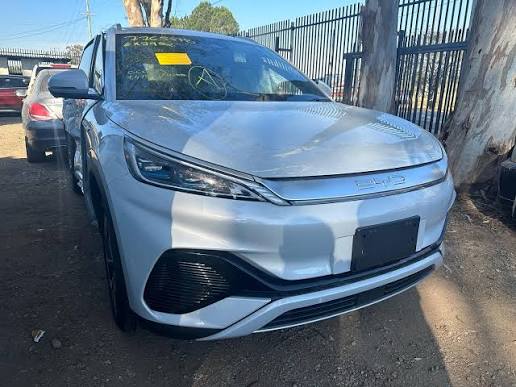
Owners weighing used BYD parts hear the same warnings on repeat. The parts are too risky, too new, or too electric to trust secondhand. Condition and paperwork are better guides to value than rumors.
Dismantlers offer genuine used components for BYD models including Shark and Sealion vehicles. Availability depends on the specific part and the donor stock received, rather than the popularity of the badge alone. Still, buyers hesitate for fair reasons. They don’t want the wrong fit or trouble with safety systems. Clearing up those doubts takes specifics about fitment, testing, cost and returns.
Used parts are always damaged leftovers
Many buyers picture a bent panel hammered straight and sold as good. That doesn’t match how a careful wrecker works. Grading starts with the part in hand, not the donor vehicle’s story. A door from a rear impact can be straight and clean while one from a low-speed scrape can be creased at the edge.
Smart buyers ask for daylight photos from several angles plus close-ups of mounting tabs and connectors. They ask for donor mileage and test notes. They compare that record against the price of a new part and an aftermarket copy. If the record is thin, they pass.
Corrosion is part of that check. Cars that lived near the coast can show salt damage around bare edges and fasteners while sun exposure can fade trim color. A part number plus photos will show more than a grade like good condition. Get a clear diagnosis before ordering to establish the correct side and function.
Traceability matters too. A seller that can link a part to a donor VIN and stock date gives a repairer something solid to work with. Without that link, there’s too much guesswork. Crash-repair shops rely on that file to explain what was fitted and why it suits the vehicle.
Used parts leave you with no comeback
Many shoppers assume a used part has no warranty. Terms vary by seller, so the paperwork matters. One wrecker may list a short functional warranty on tested electrical units. Another may sell trim as-is with a return window for fitment errors only.
Read the coverage terms and claim requirements before fitting. Check whether labor is included or coverage is limited to repair or replacement of the part. Return terms should also explain who pays freight each way.
Refund processing times matter too. Keeping emails and invoices together makes dates and promises easy to find. Testing records help as well. A seller that notes bench-test results and date codes gives more confidence than a listing with stock images.
Photos of the actual item, not a catalog image, should show connectors and labels clearly. Diagnosis first saves trouble, since many electrical faults trace back to wiring or software rather than the part itself. If freight is costly or takes a long time, factor that into the comparison with local new stock.
Any BYD part fits any BYD
This myth causes the most returns. BYD badges look similar across models, but body panels and lights are cut for one shape and grade. A Shark 6 tailgate won’t line up with a Sealion 6 opening. Similar-looking headlamps can have different mounts or control plugs between grades.
Shared branding or technology does not establish interchangeability. Compatibility must come from manufacturer application data for the exact part and vehicle. That is why the VIN, build details, and maker part number matter in every search.
Ask for the donor VIN and the part number stamped on the unit. Share both with a qualified repairer before paying. Because mid-year running changes are common on new nameplates, the repairer should compare those identifiers rather than trusting model year or photos alone.
Year alone isn’t enough on fast-moving lines. A label photo helps when numbers are worn or dirty. If numbers don’t match, wait for the right unit. Paint codes and trim colors add another trap that photos alone won’t solve.
Two bumpers for the same model can need different sensor holes for parking aids. A qualified repairer can spot that gap from photos and part numbers before freight is paid. That brief check prevents the most common fitment headache.
BYD is too new to have used parts around
BYD’s growth is recent, so many owners assume no used stock exists yet. Repair shops see a different picture. Collision and hail losses have already placed factory-built BYDs into the recycling stream, feeding the market for original manufacturer components with factory plugs and finishes.
Supply is uneven. One month may bring several Shark 6 utilities with good front-end parts. The next may bring mostly rear cuts and interior pieces. No yard can promise stock for every model at all times, so live stock checks matter more than catalog listings.
Search current dismantler stock rather than assume nothing is there. In Western Australia, for example, the search for BYD Wrecking Perth often points buyers toward a wrecker that regularly handles genuine used BYD components. Stock changes fast, so ask for actual photos and test notes for the unit on the shelf.
Share the donor VIN with a qualified repairer to establish fit before paying. New dealer parts can take time when stock is held offshore. Freight times swing with the season and backorders happen. A local used unit that’s tested and photographed can shorten downtime, provided fit and condition are documented first.
Used electric drive parts are worn out
Electric drive units make buyers nervous. They cost more than a mirror or door handle, and few owners have seen one fail. That fear becomes a belief that any used motor or inverter is near the end of its service life.
History and checks help establish service life alongside age. Low mileage and clean connectors point one way. High heat exposure and water marks point the other. A seller should state donor mileage and bench results plainly.
Ask whether the control module is included and whether plugs and brackets come with the unit or ship apart. Get a firm diagnosis before buying, since inverter faults often mimic wiring faults in scan data. A qualified repairer can identify the failed unit from live data before ordering.
Price comparisons should use full totals. Add freight and shop time for coding to the ticket price. A used OEM drive unit can still cost far less than new, but shop time narrows the gap.
There’s no shortcut here.
Buyers should weigh fit alongside testing records. A cheap unit with no test sheet can cost more in repeat labor than one priced with clear notes. When records are missing, the safer move is to wait for a paper trail.
A used part cancels the rest of the vehicle coverage
This worry stops many BYD owners cold. They picture a used mirror leading to a denied claim on an unrelated system. Coverage rules are not that blunt in most cases, but they aren’t simple either.
Vehicle makers set terms for what stays covered after a repair. Those terms live in warranty booklets and service bulletins, not forum posts. A qualified repairer can review them against the planned fix and flag risks before work starts.
Aftermarket copies add their own risk. A cheap lamp or sensor that doesn’t match factory tolerances can trigger fault codes or poor fit. A used OEM unit keeps factory dimensions and plugs, helping the shop return the vehicle to stock form. That doesn’t guarantee coverage, but it removes one variable the shop would otherwise chase.
Paperwork helps explain the repair if questions arise. A seller invoice records part numbers and donor details. Both invoices, along with the shop’s calibration notes, belong in that file. Together, they show what was fitted and why that choice was made.
A discussion before authorizing work can clarify what happens if the used part tests bad on the bench. It can also establish who covers extra labor if coding takes longer than booked. Clear answers help prevent disputes later when memories differ.
High-voltage and calibration work is simple plug and play
BYDs pack cameras and radar around the bumpers and screen, plus high-voltage wiring under the floor. Work around those systems needs more care than swapping a trim clip. Panels and lamps can shift sensor aim by small amounts that matter at speed. Glass replacement can alter camera view in ways the eye won’t catch.
Steering and brake work can affect stored calibration values. That doesn’t put every used panel off limits for a modern BYD. A qualified repairer should assess the job against maker procedures before parts are ordered.
The repairer decides whether calibration is needed and which scan tools and targets the task requires. High-voltage sections call for a specialist with the right training and gear. Maker procedures set the sequence, and shortcuts have no place near orange cables or control modules.
Restraint parts sit in a class of their own. Airbags and belts need strict handling, and many shops won’t refit used units at all. Ask the shop what it will and won’t fit for restraints and brakes. Take that limit as protection rather than sales pressure.
A repairer should start with a scan and clear fault code, then identify the failed circuit and exact part number. That number can then be matched to a used OEM unit with clear photos and test notes.
Used BYD parts make sense when buyers treat them like any technical purchase. Match numbers to the VIN and weigh testing and photos. Compare full costs and let a qualified repairer assess fit and calibration needs. Searches for BYD Wrecking Perth show how fast local stock turns over for Shark 6 and Sealion 6 models, so patience and quick checks pay off.
The wrecker can be more than a scrap pile.
It’s a source of factory-built parts with a paper trail, when the right questions get asked and the answers are kept on file.