
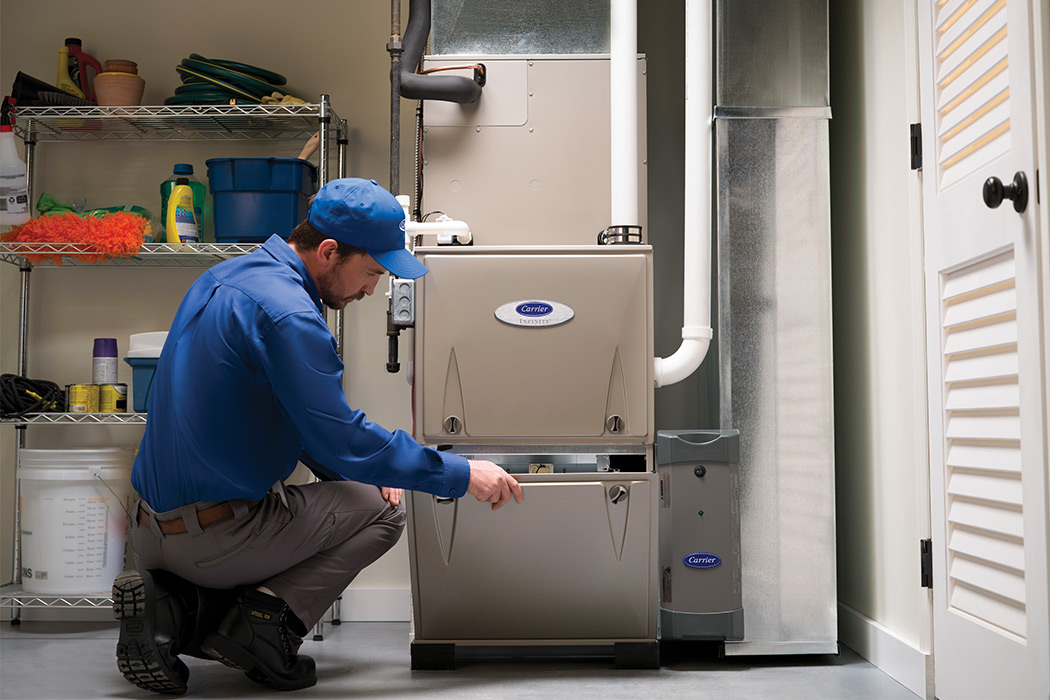
Replacing your home’s heating and cooling system is a major investment that can improve comfort, energy efficiency, and indoor air quality for years to come. While choosing the right equipment is important, preparing your home before installation day can make the process smoother for both you and the technicians. A little planning helps minimize delays, protects your belongings, and ensures the installation goes as efficiently as possible.
If you’re scheduling HVAC installation Vidalia, GA, taking a few simple steps before the installation team arrives can save time and reduce unnecessary stress. From clearing work areas to understanding what to expect, preparing ahead allows the installation to move forward with fewer interruptions and helps you get the most from your new HVAC system.
Installing a new HVAC system involves much more than replacing an old unit. Technicians often need to remove existing equipment, inspect ductwork, connect electrical components, install refrigerant lines, and thoroughly test the system before it is ready for use. Depending on the size of your home and the complexity of the project, the installation may take several hours or even an entire day. Preparing your home beforehand creates a safer and more organized workspace for the installation team. It also reduces unnecessary delays and helps protect your home from accidental damage during the process.
Before installation day, take some time to clear the areas where technicians will be working. HVAC equipment is commonly located in utility rooms, basements, garages, attics, closets, or outside on a concrete pad. Removing boxes, furniture, storage containers, and other obstacles makes it easier for installers to access the equipment. Outdoor units also require adequate space. If shrubs, plants, or tall grass have grown around the condenser, trimming them back ahead of time allows technicians to work safely while improving future airflow around the unit.
Protect Your Home During Installation
Although experienced HVAC professionals work carefully to protect your property, replacing heating and cooling equipment often involves moving heavy tools and machinery through your home. Taking a few preventative measures can help avoid accidental damage. Rolling up area rugs, moving fragile decorations, and protecting nearby furniture are simple ways to prepare. These small efforts give technicians additional space to work while helping keep your belongings safe throughout the installation.
Keep Pets Comfortable and Secure
Installation day can be busy, with technicians entering and leaving your home throughout the day. The unfamiliar activity and noise may cause stress for pets, and open doors can create opportunities for them to escape. Keeping pets in a separate room or arranging for someone to watch them during the installation helps maintain a safe environment for everyone. It also allows technicians to move equipment freely without worrying about curious animals getting underfoot.
Your installation team will likely need access to your home’s electrical panel and other utility connections during the installation. Before they arrive, make sure these areas are easy to reach by removing stored items or anything blocking access. If your HVAC equipment is located inside a closet or storage room, relocating nearby household items will provide additional workspace and help speed up the installation process.
Understanding the installation process ahead of time helps reduce uncertainty. Most HVAC installations include removing the old equipment, installing the new indoor and outdoor units, connecting electrical and refrigerant components, testing airflow, calibrating the thermostat, and verifying that the entire system operates correctly.
Once everything has been tested, the technician will typically explain how to operate your new thermostat, discuss basic maintenance, and answer any questions you may have before leaving.
Prepare for Temporary Disruptions
During installation, your heating and cooling system will be unavailable for several hours. In some cases, technicians may also need to temporarily disconnect electrical power while connecting the new equipment.
Planning ahead can make the day more comfortable, particularly during periods of extreme weather. If anyone in your household is sensitive to temperature changes, consider making temporary arrangements until the installation is complete.
Before your installers arrive, it’s helpful to complete a few final preparations:
● Clear pathways leading to the indoor and outdoor HVAC equipment.
● Move furniture and stored belongings away from work areas.
● Secure pets in a separate room.
● Ensure easy access to the electrical panel.
● Trim vegetation around the outdoor unit if necessary.
● Prepare any questions you’d like to ask your installer.
After Your New System Is Installed
Once your new HVAC system is operating, take a few minutes to review everything with your technician. Ask about thermostat settings, air filter replacement schedules, warranty registration, and recommended maintenance intervals. Understanding how your new system works will help you maximize its performance and extend its lifespan.
Keeping your installation paperwork in a safe location and scheduling routine maintenance will help ensure your HVAC system continues operating efficiently for many years.
Preparing your home before a new HVAC installation doesn’t require a great deal of time, but it can make the entire experience much smoother. Clearing work areas, protecting your belongings, making utilities accessible, and understanding what to expect all help create an efficient installation process with fewer disruptions.
With a little preparation, your installation day can be more organized and stress-free, allowing your new HVAC system to begin delivering reliable comfort, improved efficiency, and dependable performance as soon as the work is complete.