

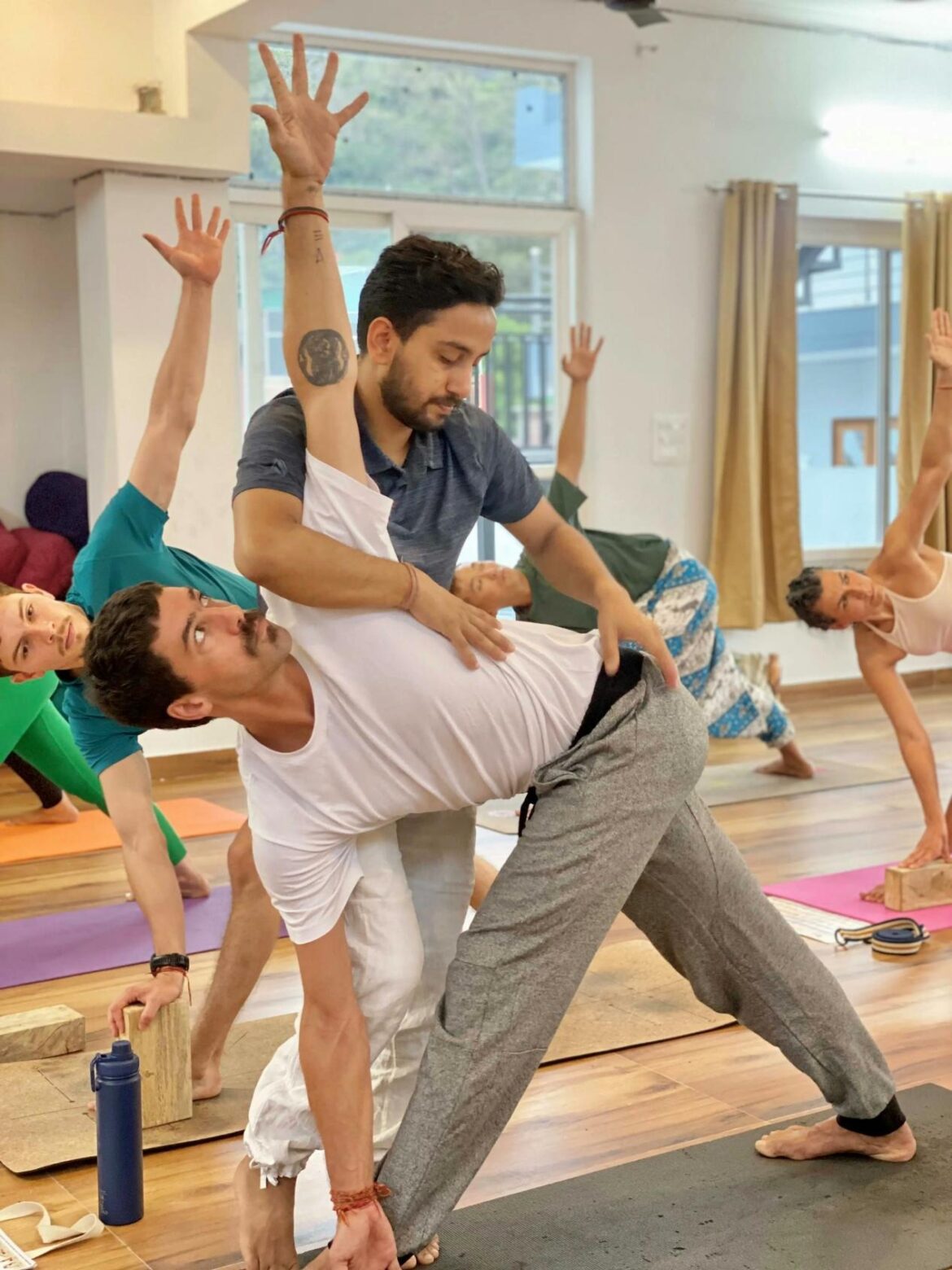
You complete your yoga teacher training. You have the certificate. You know the poses. But here’s the real question: what actually changes in your life?
Most people expect yoga training to make them more flexible. Maybe more spiritual. What they don’t expect is the profound mental, physical, and personal transformation that continues long after the course ends.
This guide explores what genuinely happens when you complete yoga teacher training. Not the marketing hype. The real changes documented by thousands of practitioners.
Beyond the Certificate: What Actually Changes

Your yoga teacher training certificate is real. But it’s not the source of change. The source is the daily practice embedded over weeks or months.
When you practice yoga teacher training in Rishikesh India, you’re not just learning postures. You’re rewiring your nervous system. You’re building new neural pathways. You’re training your mind to stay present under pressure.
These changes don’t disappear after the course ends. They deepen. They integrate. They become who you are, not just what you do.
Here’s what separates yoga training from other certifications: the work is internal. External knowledge matters less than internal transformation. Your nervous system has learned something new. It doesn’t forget.
Mental Health Transformation After Training
Anxiety drops dramatically. Most graduates report 40-60% reduction in daily anxiety within weeks of completing training. Not because they learned to suppress it. Because their nervous system learned to regulate it.
Depression lifts. The combination of physical movement, breathing practice, and mind training creates a powerful antidepressant effect. Many people discontinue medications after discussing with doctors because yoga practice provides equivalent or better results.
Mental clarity sharpens. Your mind becomes quieter. Racing thoughts slow. Decision-making becomes easier. Concentration improves noticeably. Students often report they can focus longer without distraction than ever before.
Emotional regulation transforms. You still feel emotions. But they don’t control you. You notice them arising. You observe them. You respond consciously instead of reacting unconsciously.
This isn’t temporary relief. Neuroscience shows these changes are permanent nervous system adaptations. Your baseline stress level permanently lowers. Your capacity to handle stress permanently increases.
Physical Fitness and Body Changes

Image 3 Physical transformation after yoga training showing improved posture, strength, flexibility, and pain reduction
Your body transforms. Strength builds. Even if you started yoga inflexible, by the end of training you’re stronger, more mobile, and more connected to your body.
Weight shifts naturally. Many people lose 10-20 pounds not through calorie restriction but through improved metabolism, nervous system regulation, and unconscious behavior changes (better sleep, less stress eating, more intentional movement).
Posture improves. Years of desk posture reverse. Your spine realigns. Your shoulders drop away from your ears. You stand taller. You move with more grace.
Pain disappears. Chronic back pain. Neck tension. Joint stiffness. These often vanish completely or reduce dramatically. Not because yoga “fixes” structural problems. But because nervous system tension that was creating pain finally releases.
Energy increases. Most graduates report sustained energy improvement. Not the artificial caffeine energy. Real, grounded, sustainable energy that persists throughout the day.
The Unexpected Personal Growth
Yoga training catalyzes personal growth that extends far beyond yoga. You become more honest. More authentic. More willing to live according to your values instead of others’ expectations.
Relationships improve. You listen better. You communicate clearer. You’re less reactive. Your relationships naturally deepen because you’re more present.
Career clarity emerges. Many people make major career changes after training. Not because yoga teaches career advice. But because clarity about what matters reveals that your job doesn’t align with your values. This clarity empowers better choices.
Confidence solidifies. You know yourself better. You trust yourself more. You’re willing to take risks because you understand your own capacity.
Purpose crystallizes. Many graduates report that yoga training clarified their life purpose. Not through external revelation. But through the internal quietness that allows genuine purpose to surface.
When you practice specialized yoga such as pranayama courses in Rishikesh India, you’re surrounded by others undertaking the same internal work. This community aspect accelerates personal growth dramatically.
You see reflections of your own journey in others. You witness transformations. You understand that change is possible.
How Long Changes Last

Here’s the critical truth: changes last only if you maintain practice. This isn’t a criticism. It’s how your nervous system works. Use it or lose it applies to neural pathways like everything else.
Most graduates maintain 60-70% of gains if they practice once weekly. They maintain 80-90% of gains if they practice 3-4 times weekly. They deepen gains if they practice daily.
But here’s the encouraging part: most graduates want to practice. Because they felt what consistency creates. Because they understand deeply that practice is self-care, not obligation.
The first 3-6 months after training are critical. Your nervous system is rewiring. Consistent practice locks in these changes. After 6 months, changes become integrated even with lighter practice.
Integration Into Daily Life
The real test isn’t what happens during training. It’s what happens when you return to normal life. Can you maintain the presence? The calm? The clarity?
Most people can. Because the changes aren’t conceptual. They’re embodied. Your body knows what peace feels like. Your nervous system has experienced calm. These don’t disappear because they’re written in your physiology.
Integration requires simple commitments: morning practice (even 10 minutes). Evening reflection. Conscious breathing during stress. One weekly class minimum.
These aren’t burdensome. They become life anchors. The practices that keep you steady when everything else becomes chaotic.
Most graduates report that yoga becomes non-negotiable. Like sleep or eating. Because they’ve experienced what happens without it. They’ve tasted the alternative. They choose practice not from discipline but from genuine desire.
Your Transformation Begins
Yoga teacher training offers something increasingly rare: genuine transformation. Not quick fixes. Not promises. But a complete system that literally rewires how your nervous system operates.
The changes are real. They’re documented. They’re experienced by thousands annually. Your mental health improves. Your body transforms. Your life gains clarity and purpose.
This isn’t magical thinking. It’s neuroscience. It’s physiology. It’s what happens when you train your nervous system to operate from a place of safety and presence instead of constant survival mode.
If you’re considering yoga teacher training, understand this: you’re not just becoming a teacher. You’re becoming transformed. You’re choosing to rewire your nervous system. You’re deciding that your mental health, physical fitness, and personal growth matter enough to invest deeply.
That investment pays dividends that last a lifetime.
FAQs: Common Questions About Post-Training Changes
Q: Will changes stick if I stop practicing?
A: Partially. Nervous system changes are permanent to some degree. But deepening requires continued practice. Think of it like fitness: gains don’t disappear immediately when you stop, but they do fade without maintenance.
Q: How long before I notice changes?
A: Most people notice mental clarity and emotional shifts within days. Physical changes take 2-3 weeks. Deep nervous system changes take 6-8 weeks. Permanent integration takes 3-6 months.
Q: Can yoga teacher training help with diagnosed mental health conditions?
A: Yes. It’s highly effective as complementary treatment. Many therapists now recommend yoga alongside therapy. Always discuss with your healthcare provider before reducing medications.
Q: Do I have to teach yoga to benefit from the training?
A: No. Many people complete training purely for personal transformation. Teaching is optional. The benefits exist regardless.
Q: What if I already meditate or do yoga?
A: Training still creates transformation. You’ll deepen existing practice. You’ll understand it at deeper levels. Your consistency and depth will increase significantly.
Q: How does this compare to other wellness practices?
A: Yoga training is comprehensive. It addresses mind (meditation), body (asana), and nervous system (pranayama) simultaneously. This integration makes it exceptionally effective.