
The quote says twelve penetrations, two doors and one day on site. Neat. Then the ceiling tile comes down and reveals a cable tray somebody has been adding to since dial up internet. The “small opening” is now a crowded hole with three pipe types, a bundle of cables and very little room to work.
That is why choosing a Passive fire protection company cannot be reduced to the cheapest line on a spreadsheet. The real test begins when the building refuses to match the drawing.
1. Do they ask what the wall is made from?
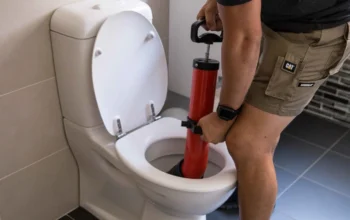
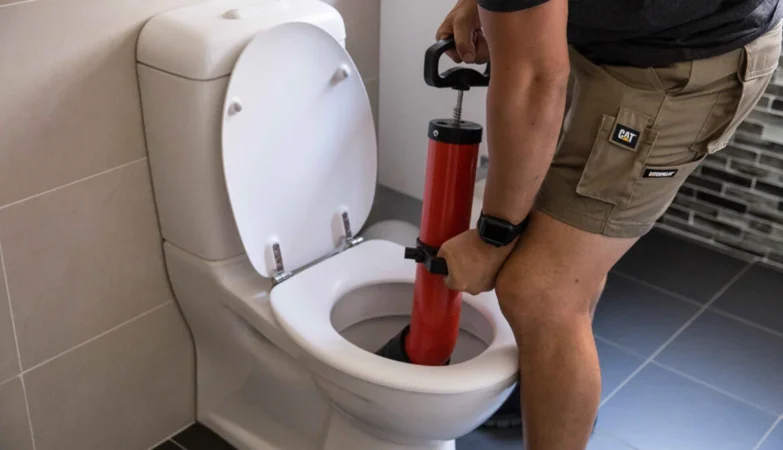
That red tube is not a magic wand. Before using anything, identify the wall or floor, the services, their supports and the actual gap.
Ask how the proposed system will be selected. The answer should involve tested details and the actual site conditions, not “we always use this product”. Plastic pipe behaves one way under heat, steel another. A tray packed with cables brings its own problems.
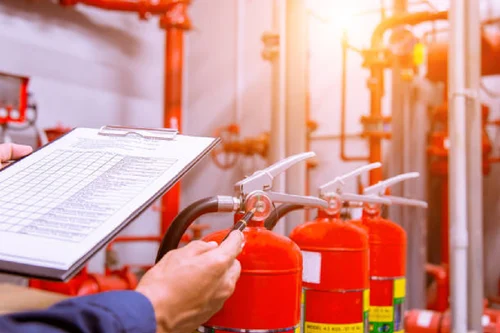
If the surveyor wants photographs above ceilings and inside cupboards, good. That is where the untidy truth tends to live.
2. What happens when the opening is not in the price?
Surveys can only record what was visible on the day. Once work starts, hidden defects appear. A barrier may stop short, an old repair may be unsuitable or the neat cable bundle on the drawing may have gained twenty friends.
Agree the variation process before anybody starts. Who photographs the discovery? Who decides whether work pauses? How is the extra repair priced and approved?
Without that route, the choice is poor either way. The installer carries on without agreement, or leaves a half opened area while three people trade emails.
3. Can the next person understand the repair?
Fire stopping disappears quickly. The board goes back, the ceiling tile drops into place and a clean wall gives no clue about the work behind it.
The handover should say where the repair sits, what system was installed and who completed it. Add before and after photographs, product information and a clear reference that matches the drawing or register.
Labels help, where appropriate, but a label is not the whole record. “Fire stopped” written in marker pen leaves the next surveyor with rather a lot of unanswered questions.
4. Do they protect the work after finishing it?
A correct repair on Tuesday can be damaged by Friday. Friday brings another cable. It goes through Tuesday’s finished seal and leaves a fresh gap, all because the network needed to be live before lunch.
Site rules need to cover completed fire protection. Mark known compartment lines, brief other trades and make reopening a sealed penetration a controlled job. A quick photograph before closing up can prevent months of uncertainty.
Ask who checks the area after follow on work. “The electrician probably will” is not much of an inspection plan.
5. Are awkward occupied buildings familiar territory?
Fire work rarely happens in an empty box. A ward carries on, hotel guests sleep upstairs and office meetings start anyway. Add dust, noise, access and temporary controls to the job before anybody opens the wall.
The method should fit the building. That may mean small work zones, evening visits or a careful sequence that keeps escape routes and essential services available. People using the premises also need plain information. They should not discover a closed corridor by walking into a barrier.
BSML’s teams work in aviation, healthcare, education, commercial, leisure and residential settings. The fire-service list runs from penetration sealing and door work to cavity barriers, surveys and damper remedials.
Look for the unglamorous evidence
Price still matters. So do programme, competence and certification. The telling bits are rarely glossy: awkward survey questions, photographs with usable locations and somebody prepared to stop when the wall serves up a surprise.
Back above the ceiling, nobody is calling that crowded hole a twelve-minute sealant job now. Good to know before the tile returns and the invoice lands. A careful quotation may take longer. So does returning to repair work that should have been right first time.