
Rural internet access in Mexico has improved enough over the past several years that a meaningful number of new entrants to online forex trading now come from towns that never had reliable broadband until recently. That shift carries significant weight, since previous generations of would-be traders in smaller communities simply did not have the infrastructure to participate regardless of interest or available capital.
Fiber expansion into secondary cities has closed a gap that used to separate Mexico City and Guadalajara from everywhere else in terms of who could realistically monitor markets throughout a trading day. A connection stable enough to hold a live chart without lag used to be a genuine luxury outside major metros, and traders who remember working around spotty connections a decade ago describe today’s baseline reliability as a completely different experience.
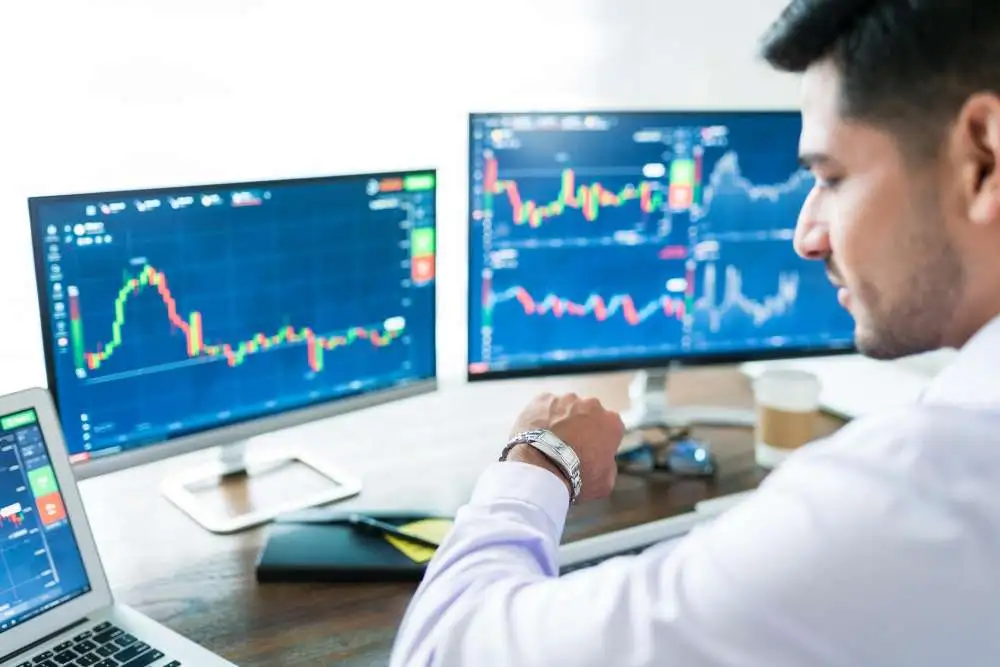
Laptops replacing desktop setups has expanded participation in ways many did not initially expect, since portability lets traders check positions from wherever they happen to be, without needing to stay tied to a single location. That flexibility appeals particularly to traders juggling forex trading responsibilities alongside a full-time job, squeezing in chart checks during breaks, with no need for dedicated blocks of time at a fixed workstation. Smartphone-only traders represent a smaller but growing segment who never bothered setting up a laptop configuration at all, managing entire positions from a phone screen by genuine preference. That approach comes with real limitations around chart size and analytical depth, though plenty of traders in this group argue the simplicity keeps them from overanalyzing positions the way a full desktop setup with multiple monitors might encourage.
Public wifi reliance introduces risks that do not get discussed often enough among newer traders working from cafes or shared coworking spaces, away from a private home connection. Executing trades over unsecured networks carries genuine security concerns that experienced traders learn to avoid, typically through mobile data or personal hotspots, though newcomers sometimes only grasp the risk once they have already read about a related incident. Cost barriers that once kept participation limited to people who could afford dedicated trading setups have fallen considerably as smartphones and basic laptops became more affordable across income brackets. That affordability shift has broadened who actually shows up in retail trading statistics, pulling in students and part-time workers who would not have found the entry cost justifiable even five years earlier.
Electricity reliability remains an underappreciated factor in regions where power outages still happen with some regularity, since a dropped connection during an open position carries consequences that traders in more infrastructure-stable areas rarely have to consider. Battery backup solutions and mobile data as a fallback have moved from optional precautions to practical necessities for traders operating in less consistent power environments.
What ties these infrastructure changes together is a broader democratization of access that centers primarily on basic technological availability finally catching up with existing interest, independent of trading strategy or market knowledge. Mexico’s expanding digital footprint continues pulling new participants into online forex trading from places that geography and infrastructure once effectively excluded, regardless of how much genuine trading skill or preparation those new entrants actually bring with them.