
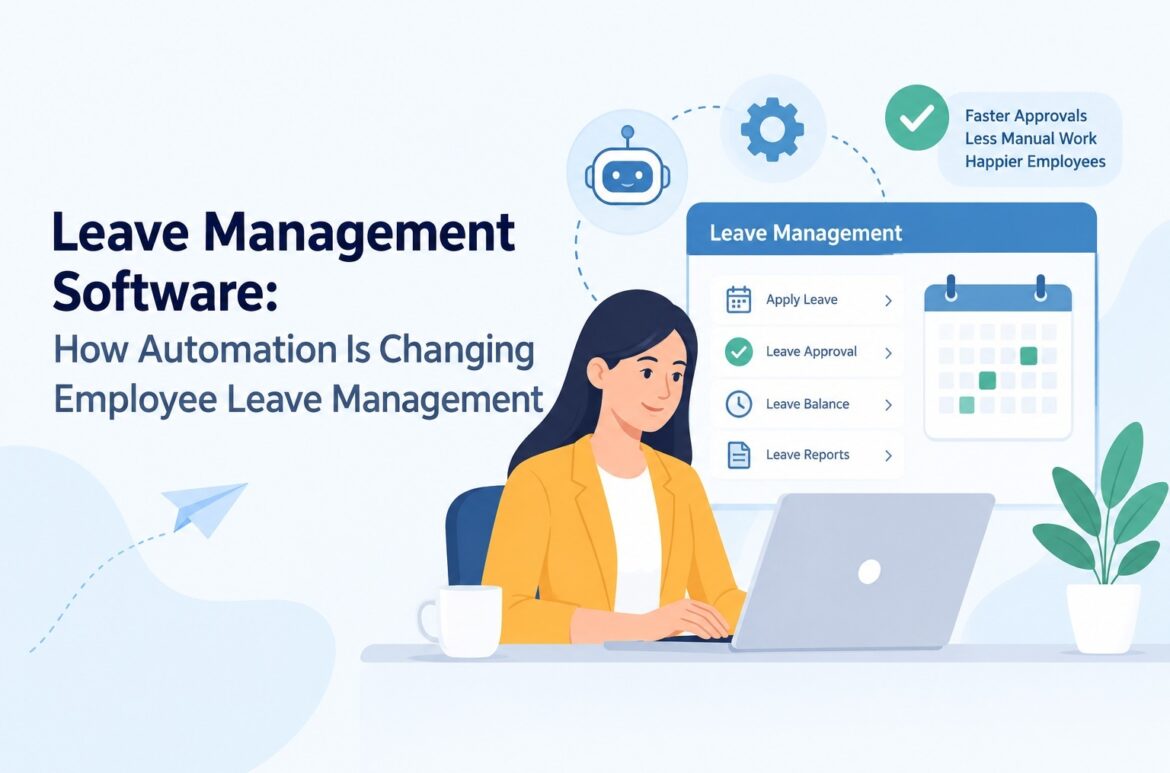
How can organizations deal with the process of taking leave without using spreadsheets, emails, and confusing paperwork for HR? The use of leave management software has been helping organizations automate leave requests, leave approvals, leave balances, attendance tracking, and several other processes related to leave management.
With the growing digitization of organizations, automatic leave management of employees is gaining importance in the present time. It provides a central system for employees, managers, and HR to manage their leave.
What Is Leave Management Software?
Leave management software is a form of HR software used to automate the leave management process. The system enables employees to request leave, managers to approve leave, and HR departments to track the status of leaves taken by employees from a single application.
What Does Leave Management Software Manage?
It can generally help organizations to manage:
- Employees’ leave requests
- Leave balances and accruals
- Leave policies and eligibility criteria
- Approval processes
- Leave schedules and holidays
- Leave reporting
How Does Leave Management Software Work?
The process of leave management software occurs through a defined process that links the employee, the manager, and the HR department within a digital platform. Unlike filling out forms and sending emails one by one, employees can make their leave requests using the system, and managers can easily approve or reject them through the same system.
Workflow of General Leave Management System
Employee → Leave Request → Manager Approval → Leave Balance Update → Attendance Update → Payroll Processing
When the request is accepted, the leave balance is updated by the system according to how an organization is configured.
Why Is Leave Management Software Important for Businesses?
The manual handling of leave becomes difficult with the growth of the organization. It results in outdated information, delays in approval, and poor visibility of employees’ availability.
Reasons for Automated Leave Management at Workplaces:
- Eliminates repetitive HR administration tasks
- Increases accuracy of leave records
- Ensures real-time visibility
- Facilitates fast approvals
- Helps with workforce planning
- Improves employee self-service
What Are the Key Features of Leave Management Software?
The right leave management software combines important leave tracking capabilities with automation and reporting tools.
Key Features include
1. Online Leave Application
Employees may apply for leave online by selecting the type of leave and the dates, along with monitoring the status of the leave application without using paper forms or emails.
2. Automatic Approval
A workflow that routes leave requests to the appropriate manager automatically can help the organization eliminate any delays and maintain an approval history of leave requests.
3. Balance of Leaves Tracking
Leave management software can help organizations keep track of leave balances, leaves taken, and the leave remaining for employees.
4. Leave Policy Configuration
Organizations can configure various aspects related to leave management, including leave types, eligibility for leaves, calculation of leaves, and leave policy.
5. Notifications and Alerts
Notifications regarding leave requests submitted, approved, or rejected, along with pending leave requests, can help in automating communication processes.
6. Leave Reports and Dashboards
HR professionals can access various leave reports and dashboards to monitor the use of leave and absence of employees.
What Are the Benefits of Using Leave Management Software?
In addition to simplifying HR operations, automation will improve the experience of the employees by reducing unnecessary manual operations and having all relevant leave information stored in one place.
Some Key Benefits Include:
- Reduced manual effort: Automates routine leave processing.
- Quick approvals: Digital processes save time and reduce unnecessary delays.
- Increased accuracy: Helps avoid inaccuracies from manual calculations and entries.
- Enhanced visibility: Employees can check their balances and approval status.
- Effective workforce management: Provides managers with an overview of planned absences.
- Consolidated information: Allows HR professionals to store all leave information in one system.
Types of Leave Managed Through Leave Management Software
A leave management system can be customized by organizations as per their policies and compliance requirements.
Types of Leaves
- Casual Leave: Leaves that are short-term in nature and are availed in case of personal reasons or needs of the employees.
- Sick Leave: Leaves availed in case an employee is sick or requires leave for medical reasons.
- Earned or Privilege Leave: Leaves earned by the employee depending upon the number of years of service or workdays and leaves used for personal reasons.
- Maternity Leave: Leaves available to eligible employees because of pregnancy, childbirth, or related issues.
- Paternity Leave: Leaves available to eligible employees due to the birth or adoption of a child.
- Compensatory Leaves: Leaves availed to an employee as compensation for eligible work done by the employee over and above working hours.
- Unpaid Leaves: Leave approved to an employee who does not have any eligible paid leaves left.
The actual type of leaves will vary from organization to organization.
How Leave Management Software Simplifies Leave Requests and Approvals
The traditional process to apply for leave includes email, forms, and follow-ups. Automated leave management automates the disjointed process by simplifying it into a digital workflow.
A Simplified Approval Process
- The employee chooses the type of leave and days.
- The system verifies the relevant policies and the balance.
- The leave application is automatically forwarded to the concerned authority.
- The manager either accepts or rejects the application.
- The employee gets notified automatically.
- The leave record is updated automatically.
This leaves a clear audit trail of leave applications and approvals.
How Leave Management Software Integrates With Attendance and Payroll
HR processes related to leave, attendance, and payroll are highly interconnected. If such processes work independently, HR staff may have to repeat entering the same information several times.
Connected HR Processes
Leave Management → Attendance → Payroll
Information about approved leave is recorded in the attendance process, whereas information about leave is provided in the payroll processing process according to predefined rules.
Leave Management Software vs. Manual Leave Tracking
The difference between leave management software and manual leave tracking becomes more noticeable when the number of employees increases.
| Factor | Manual Leave Tracking | Leave Management Software |
| Leave requests | It includes forms or emails | It includes online applications |
| Approvals | Manual follow-ups are taken by managers and HR professionals | Automated workflows through a system |
| Leave balances | Based on spreadsheets and on papers | Real-time tracking |
| Records | Having Multiple files containing all the records | Centralized database for all the available records |
| Notifications | Manual notification is given to employees | Automated notifications through the system |
| Reporting | Time-consuming | Faster and structured |
| Scalability | Difficult for growing teams | Designed for automation |
How to Choose the Right Leave Management Software
Selecting leave management software needs more than just focusing on basic leave tracking functionality. Companies need to take into account compatibility with their current HR system.
Key Selection Criteria
- Ease of use and self-service capability for employees
- Customizable leave policies
- Workflow
- Attendance and payroll management
- Reporting and analysis
- Mobile access
- Security of data
- Scalability
- Customer service
Who Can Benefit From Leave Management Software?
Leave management software is helpful to companies belonging to various sectors and having varying sizes of their workforce. The system can be especially helpful to those companies where the HR departments process huge numbers of leave applications or run multi-departmental operations.
Some Common Users
- Small and medium companies
- Large companies
- Multi-location companies
- Hybrid and distributed workforces
- Human Resources department and Payroll department
Best Practices for Implementing Leave Management Software
An effective implementation is not just about installing software. Before that, it is necessary to define policies and then configure the system accordingly.
Implementation checklist
- Define the types of leaves and criteria for eligibility.
- Configure approval hierarchies.
- Upload the list of holidays of the organization.
- Define employee access permissions.
- Integrate attendance and payroll systems if necessary.
- Train the employees and management.
- Test the workflow.
- Regularly review reports and policies.
Conclusion:
Employee leave management is being transformed with leave management software by automating the process of requesting, approving, tracking, and reporting on leaves. Integration with attendance and payroll makes it possible for companies to simplify their HR processes and improve the visibility and self-service abilities of employees.
Savvy HRMS integrates leave management into an extensive range of core HR activities using 20+ HR modules. Integration of processes like attendance, payroll, performance, and others, such as employee management, makes it possible to establish a more effective HR management system.
Want to automate employee leave management?
Discover Savvy HRMS now!