
Cast your mind back to the last performance review you sat through.
Most of us have been in the same room. The manager rummages for a few standout projects. The employee reads out a short list of wins. And between them they try to squeeze six months of work into one tidy story, mostly from memory.
Honestly, it’s like reviewing a film after watching the trailer. You get the highlights and miss the plot. The good news is that teams have more ways than ever to see the full picture, and screenshot capture software is one of them.
So here’s what we’ll cover: where it fits in modern performance management, where it’s most useful, and how to bring it in so your team feels good about it.
Performance Management Is Moving to Everyday Insight
Annual reviews are slowly making way for something more continuous. People like regular check ins, quick feedback, and coaching while the work is still fresh in their minds.
To do that well, managers need a proper view of how work unfolds across a day, a week and a whole project. More paperwork isn’t the answer.
That’s where employee performance management software earns its place. It pulls goals, activity, feedback, and trends into one spot, so a conversation can start from evidence and not from a hunch.
And inside that picture, screenshot capture has found a handy role.
What Screenshot Capture Software Does
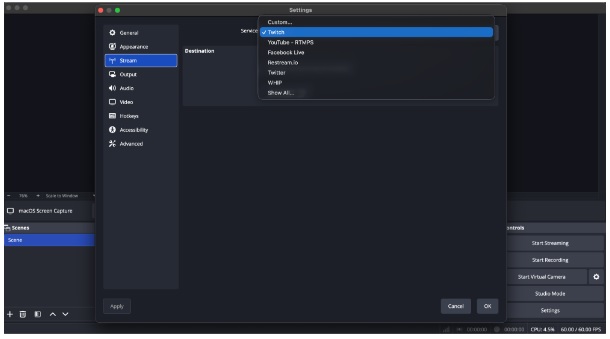
Screenshot capture software takes snapshots of a work screen at set intervals while someone is on the clock. Over time they add up to a simple visual record of the tools and tasks behind the working day.
Used with care, it gives you something numbers can’t. An activity chart tells you a person was busy for six hours. A screenshot shows what that busy actually looked like.
That small difference makes a few things easier:
- Checking that time went to the right projects, so client billing stays fair
- Understanding how tasks really get done
- Having something concrete to look at when you review a piece of work together
- Giving remote and hybrid teams a shared sense of what’s going on
Look at that list again. It’s all about understanding and fairness.
Where It Adds the Most Value
Screenshots do their best work when there’s a clear reason behind them. In practice, four situations come up again and again.
Billing is the easy one. If you charge by the hour, a visual record backs up the time on your invoice. Clients like seeing it, and your team spends less time answering questions.
Coaching is a close second. New starters learn fast when a manager can see how they tackle a task and drop in a friendly tip. Five minutes watching a workflow can teach more than a long explanation.
Then there’s improving how things get done. Seeing real work often shows up slow steps, repeated tasks and tools that never quite fit. Fix those and everyone gets an hour or two back.
And last, recognition. The quiet, steady people rarely mention how much they’ve done. Evidence gives them a fair shot at being noticed.
How It Fits with Performance Data
On its own, a screenshot is just one piece. The best performance management leans on several views at the same time.
Activity trends show when people do their best work. Time records show where the hours went. Goals show what good looks like. Screenshots add the visual context that ties it all together.
Keep all of that inside one employee performance management software platform and a manager can go from “something looks different this week” to “ah, here’s what’s happening, and here’s how I can help” in a few minutes.
How to Introduce It the Right Way
Here’s the bit that matters most. How you introduce the tool counts as much as the tool.
Start by telling people what’s captured, when, and why, before a single thing is switched on. Keep it to work screens and work hours. Let employees see their own screenshots and activity so it feels like theirs too. Then use what you see to coach and support, always in a friendly chat.
Teams that get a say tend to welcome it. When people know what’s going on and why, monitoring starts to feel more like a partnership.
It also pays to agree a few sensible limits early: how long records are kept, who can view them, how privacy is protected. Pop them in writing and everyone can relax.
What to Look for in Software
A short checklist is plenty when you’re comparing options. Look for software that:
- Is easy to set up for office, remote and hybrid teams
- Lets you choose capture settings that suit your team
- Offers privacy controls, such as blurring sensitive content
- Gives employees visibility of their own data
- Combines screenshots with time tracking and activity insights
- Produces reports that are easy to read and act on
Where Nixo Fits
At Nixo, we start with people when we build technology. Nixo Pulse gives teams a clear view of work patterns, attendance, workload and productivity, which supports employee performance management software goals like fair feedback and early coaching. Transparency is at the heart of how we work, so insights help teams do their best without anyone feeling watched.
A Clearer Way to Understand Great Work
Go back to that review for a second.
This time, picture walking in with a fuller, fairer view of the past few months: the projects, the effort, the steady progress. The conversation shifts from “what do you remember?” to “what would you like to do next?”
That’s what screenshot capture software can bring to employee performance management. More clarity, fairer conversations, and better support for the people doing the work.