
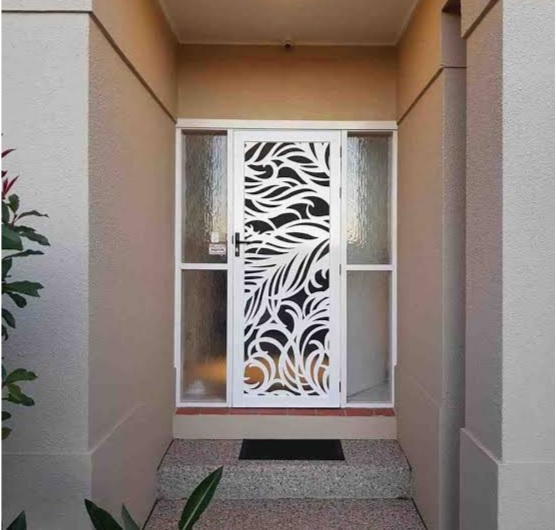
The front door is the first thing a visitor looks at properly. It’s also where a buyer at an open inspection forms a first impression before stepping inside.
So, when that door sits behind a security screen, the screen becomes part of the house’s face. A plain, tired or mismatched screen can drag the whole frontage down. A well-chosen decorative door can do the opposite, and colonial grille designs are one of the best ways to get there.
What Makes a Security Door “Decorative”?
Most security doors are designed around function first: a frame, a lock and an infill to keep people and insects out. Decorative security doors add a design element to that, usually through the grille.
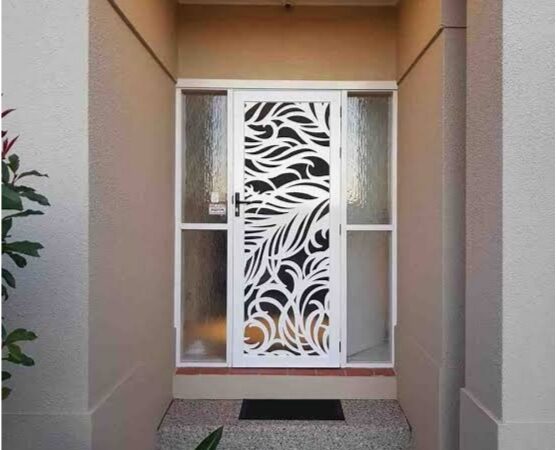
Colonial grille is the classic example. Instead of a plain mesh or a repeating diamond pattern, the grille uses curves, scrolls and arches that echo the lacework and fretwork found on traditional Australian homes. Behind the grille sits a mesh layer for insect protection, with options such as fly, pet, privacy or stainless-steel mesh.
Modern colonial grille doors are usually made from powder-coated aluminium, so you get the traditional look without the weight or rust problems of old cast iron.
How Colonial Grille Adds Value
Kerb Appeal
A front entry that looks cared for suggests the rest of the house has been looked after too. A colonial grille door in a colour that matches the trims can lift the entire frontage, especially on period homes, where a plain modern screen can look out of place.
Character That Fits the Home
Federation, Edwardian and Victorian homes are valued for their detail. Covering an original front door and leadlight with a flat black screen hides the features that give the house its character. A decorative grille works with that detail instead of fighting it.
The same applies to newer homes built in a classic or Hamptons style. A colonial grille door suits panelled doors, verandahs, and traditional trims far better than a purely modern screen.
Security That Doesn’t Look Like a Fortress
Some homeowners avoid security doors because they don’t want the house to look heavily protected. Decorative designs solve that. The door still provides a lockable barrier and a visible deterrent, but it reads as a design feature rather than a cage.
Everyday Comfort
A colonial grille door lets you leave the front door open for a breeze while the screen stays locked. On a warm Melbourne evening, that’s a simple way to cool the house down, and it’s something buyers and tenants notice too.
Getting the Design Right
Match the Era of the Home
Ornate patterns with lots of scrolls suit Victorian and Federation homes. Simpler designs with a few clean curves work better on Californian bungalows, post-war homes and newer builds. Stand on the footpath and look at the whole house before choosing.
Choose the Right Colour
Powder coating lets you match the frame to window frames, gutters or the front door. Heritage tones such as cream, deep green and burgundy suit period homes. Black, charcoal and white are safe choices on more modern facades.
Pick a Practical Mesh
The grille gives the look, but the mesh behind it handles the daily work. Privacy mesh helps on homes close to the street. Pet mesh stands up to dogs and cats. Stainless steel mesh adds strength behind the grille.
Check the Security Rating
Decorative doors vary a lot in strength. A door should only be described as a security door if it has been tested to AS 5039, the Australian Standard for security screen doors and window grilles. Some decorative doors are barrier doors instead, which lock and keep insects out but aren’t designed to resist forced entry. Ask the supplier which one you’re getting.
Check Heritage Requirements
If your home is in a heritage overlay, changes to the front of the house may need council approval. It’s worth checking with your local council before ordering a new door.
Fitting and Care
A decorative door needs a careful measure and a solid installation, especially on older homes where door frames are often out of square. A made-to-measure door fixed into solid timber or masonry will close and lock properly for years.
Care is simple. Dust the grille, wash the frame and mesh with mild soapy water every few months, and keep the hinges and lock lubricated.
Buying Locally
When you’re comparing decorative security doors Melbourne suppliers offer, there’s real value in choosing a local business that can visit, measure and show you samples in person. Colours and grille patterns look different in your hand than on a screen.
PA Flyscreens is a local business offering security doors in Epping and surrounding suburbs, including Wollert, Craigieburn, Reservoir and Preston. It makes colonial grille doors in powder-coated aluminium, up to 2400 mm high and 1200 mm wide, with privacy, stainless steel, fly and pet mesh options. If you’re searching for security doors Epping locals can have measured and fitted by a nearby team, it’s worth arranging an on-site quote.
A Door That Earns Its Place
A colonial grille door protects your entry, keeps insects out and lets the house breathe. Chosen well, it also adds character and kerb appeal that a plain screen can’t match.
Match the design to your home, pick the right colour and mesh, and check the security rating. Whether you’re browsing decorative security doors Melbourne-wide or close to home, that’s what makes a front door look like it belongs.