
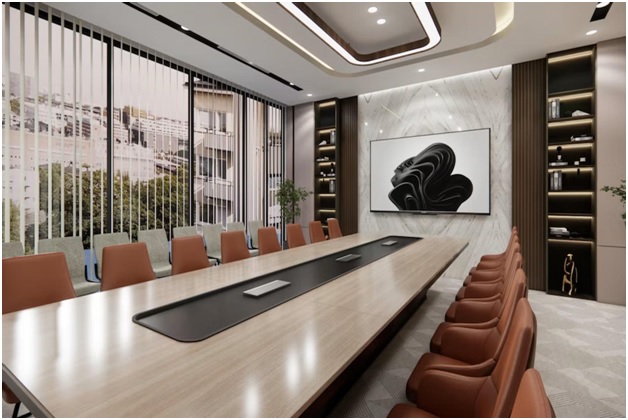
A well-designed office supports more than daily business operations. It creates an environment where employees can concentrate, communicate effectively and work comfortably throughout the day. In Dubai’s busy commercial environment, thoughtful workspace planning can help businesses improve efficiency while supporting employee wellbeing.
Investing in office interior design Dubai allows businesses to create functional workplaces that reflect their identity and accommodate different working styles. From comfortable furniture and suitable lighting to flexible layouts and quiet working areas, each design decision influences how employees experience their surroundings.
Creating a Functional Office Layout
Office layout plays an important role in workplace productivity. Poorly arranged desks, limited meeting spaces and crowded walkways can create distractions and make routine tasks unnecessarily difficult.
An effective layout should reflect how employees work rather than simply accommodate the maximum number of desks. Businesses need to consider team sizes, communication requirements, individual responsibilities and the movement of people throughout the workplace. Open-plan layouts can encourage communication and teamwork, but they may not suit activities requiring concentration or confidentiality. Combining shared workspaces with private meeting rooms and designated quiet areas provides greater flexibility.
Circulation routes also deserve attention. Employees should be able to move between workstations, meeting rooms and shared facilities without repeatedly disturbing colleagues.
Improving Employee Comfort Through Ergonomic Design
Ergonomics involves designing furniture and workspaces to support comfortable working positions and reduce unnecessary physical strain.
Office employees often spend extended periods sitting, using computers and completing repetitive tasks. Unsuitable furniture or poorly positioned equipment can contribute to discomfort and fatigue. Adjustable chairs, appropriately sized desks and correctly positioned monitors allow employees to maintain more comfortable working postures. Adequate legroom and accessible storage also help keep workstations practical.
Businesses should consider employees with different physical requirements rather than selecting identical arrangements without assessing individual needs. Encouraging regular movement is equally important. Conveniently located shared facilities and suitable circulation space can make it easier for employees to change positions during the working day.
Using Lighting to Support Concentration
Lighting affects visual comfort, concentration and the overall atmosphere of an office. Excessively bright lighting, glare and poorly illuminated workstations can make computer-based tasks uncomfortable. Natural daylight is valuable, but its availability depends on window placement, building orientation and surrounding structures.
In Dubai, strong sunlight can also create glare and unwanted heat. Appropriate blinds, window treatments and thoughtful desk positioning help manage these conditions without unnecessarily blocking daylight. Artificial lighting should complement natural light and provide suitable illumination for different activities. General office areas, meeting rooms and focused workspaces may require different lighting arrangements.
Where practical, adjustable lighting gives employees greater control over their immediate working environment.
Managing Noise and Workplace Distractions
Noise is a common concern in modern offices, particularly where employees regularly make telephone calls, attend virtual meetings or participate in discussions. Excessive background noise can interrupt concentration and make confidential conversations difficult.
Acoustic planning helps control how sound travels through the workplace. Sound-absorbing ceiling materials, upholstered furniture, suitable partitions and enclosed meeting rooms can reduce unwanted noise. However, acoustic materials alone cannot correct every problem. Separating collaborative spaces from quiet working areas is often equally important.
Businesses should assess which activities generate the most noise before deciding where to position departments, meeting facilities and shared equipment.
Supporting Wellbeing Through Natural Elements
Introducing natural elements into office interiors can create a more welcoming and comfortable environment. This approach, commonly called biophilic design, incorporates features such as indoor plants, natural materials, daylight and colours associated with nature.
Indoor planting can soften the appearance of workspaces and provide visual interest. However, plants should be selected according to available light, maintenance requirements and indoor conditions. Materials such as timber finishes and natural textures can also contribute to a calmer appearance without requiring extensive structural alterations.
Employee wellbeing also depends on practical conditions, including indoor air quality, ventilation and comfortable temperatures. These considerations are particularly relevant in Dubai, where workplaces rely heavily on cooling systems during warmer months.
Integrating Technology Into Office Design
Modern offices depend on reliable technology for communication, collaboration and routine operations. Technology requirements should therefore be considered during initial planning rather than addressed after installation. Power outlets, data connections, video-conferencing equipment and suitable cable management need to match how employees use each space.
Meeting rooms require particular attention because poorly positioned screens, insufficient connections and unsuitable lighting can interrupt discussions. Smart lighting and temperature controls may offer additional flexibility, depending on the building’s existing systems and available budget.
Technology choices should remain practical, straightforward to operate and compatible with the organisation’s working requirements.
Practical Considerations Before Redesigning an Office
Successful office improvements begin with understanding existing problems and setting realistic priorities.
Before starting a redesign, businesses should consider the following:
- Employee feedback: Identify common concerns involving noise, lighting, comfort and workspace availability.
- Space requirements: Assess current staffing levels, meeting needs and potential future expansion.
- Budget planning: Allow for furniture, materials, installation and possible disruption.
- Building requirements: Confirm relevant permissions, safety provisions and technical restrictions before alterations.
- Maintenance: Choose finishes and furnishings that are practical to clean and maintain.
- Professional guidance: Consult qualified designers and technical specialists when planning significant layout, electrical or mechanical changes.
Addressing these factors early can reduce avoidable modifications and support more informed design decisions.
Final Overview
Smart office interior design combines functional layouts, comfortable furniture, appropriate lighting, acoustic planning and practical technology integration. In Dubai, businesses must also consider indoor temperature, daylight control and the specific requirements of their premises. Together, these decisions can create workplaces that support concentration, collaboration and employee comfort.
Before investing in office improvements, assess how the existing space performs and identify the changes that would provide the greatest practical benefit. Involve employees in the planning process, establish a realistic budget and seek professional advice where necessary. A workplace designed around genuine operational needs is more likely to remain comfortable, adaptable and effective over time.